In this study, the authors propose a critical view of safety to promote standard visual identification and preservation of the recurrent laryngeal nerve during transoral endoscopic thyroidectomy by vestibular approach.

In this study, the authors propose a critical view of safety to promote standard visual identification and preservation of the recurrent laryngeal nerve during transoral endoscopic thyroidectomy by vestibular approach.

Can a practical, self-administered taste test provide reliable normative data for assessing gustatory function across age and sex?
How is China’s growing role in pharmaceutical innovation shaping global drug access; what are the implications for U.S. patients and policymakers?

Ankyloglossia, or tongue tie, remains a controversial condition regarding its diagnosis and treatment, particularly frenotomy, with ongoing debates about its impact on breastfeeding, speech, and sleep apnea. Recent research and clinical guidelines emphasize the need for careful assessment and multidisciplinary approaches to care.

Chronic cough affects about 10% of people globally and can persist for many years, often requiring a multidisciplinary approach for diagnosis and treatment. Recent research suggests that chronic cough should be considered a distinct disease, with neurogenic mechanisms playing a significant role in some cases.
Does ChatGPT exhibit demographic bias—based on race, gender, or sexual orientation—when simulating residency selection rankings in otolaryngology?
When used at a high frequency, R-Ls pose an environmental benefit over SUD-Ls, although SUD-Ls have significant advantages in various situations.
Silicone and Gore-Tex implants both provide adequate and comparable results in TT1.
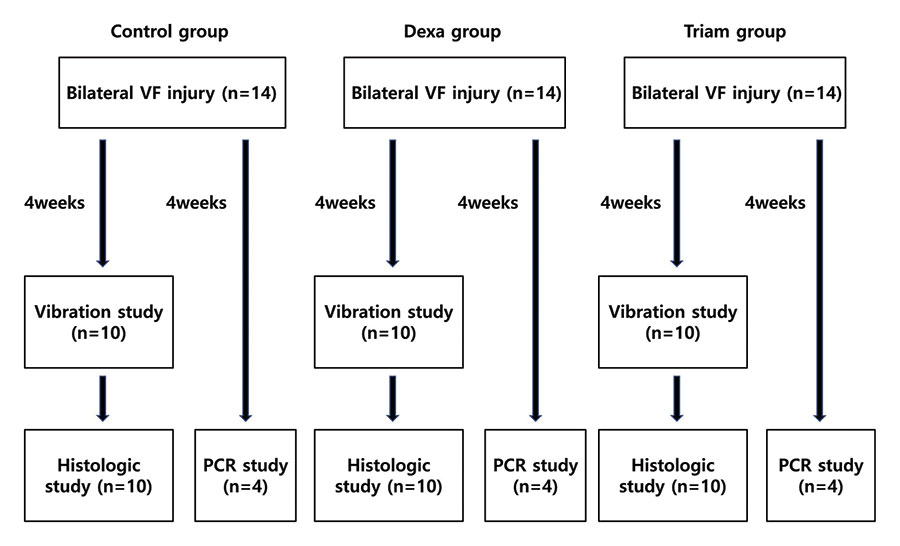
This article assesses the efficacy of intralesional steroid treatment in preventing vocal fold scarring following vocal fold surgery using a rabbit model.