• Home
  • Practice Focus
    • Facial Plastic/Reconstructive
    • Head and Neck
    • Laryngology
    • Otology/Neurotology
    • Pediatric
    • Rhinology
    • Sleep Medicine
    • How I Do It
    • TRIO Best Practices
  • Business of Medicine
    • Health Policy
    • Legal Matters
    • Practice Management
    • Technology
    • AI
  • Literature Reviews
    • Facial Plastic/Reconstructive
    • Head and Neck
    • Laryngology
    • Otology/Neurotology
    • Pediatric
    • Rhinology
    • Sleep Medicine
  • Career
    • Medical Education
    • Professional Development
    • Resident Focus
  • ENT Perspectives
    • ENT Expressions
    • Everyday Ethics
    • From TRIO
    • The Great Debate
    • Letter From the Editor
    • Rx: Wellness
    • The Voice
    • Viewpoint
    • SUO Corner
  • TRIO Resources
    • Triological Society
    • The Laryngoscope
    • Laryngoscope Investigative Otolaryngology
    • TRIO Combined Sections Meetings
    • COSM
    • Related Otolaryngology Events
  • Home
  • Practice Focus
    • Facial Plastic/Reconstructive
    • Head and Neck
    • Laryngology
    • Otology/Neurotology
    • Pediatric
    • Rhinology
    • Sleep Medicine
    • How I Do It
    • TRIO Best Practices
  • Business of Medicine
    • Health Policy
    • Legal Matters
    • Practice Management
    • Technology
    • AI
  • Literature Reviews
    • Facial Plastic/Reconstructive
    • Head and Neck
    • Laryngology
    • Otology/Neurotology
    • Pediatric
    • Rhinology
    • Sleep Medicine
  • Career
    • Medical Education
    • Professional Development
    • Resident Focus
  • ENT Perspectives
    • ENT Expressions
    • Everyday Ethics
    • From TRIO
    • The Great Debate
    • Letter From the Editor
    • Rx: Wellness
    • The Voice
    • Viewpoint
    • SUO Corner
  • TRIO Resources
    • Triological Society
    • The Laryngoscope
    • Laryngoscope Investigative Otolaryngology
    • TRIO Combined Sections Meetings
    • COSM
    • Related Otolaryngology Events
  • Search

How to Secure a TRIO Grant

by Karen Appold • September 6, 2024

  • Tweet
  • Email a link to a friend (Opens in new window) Email
Print-Friendly Version

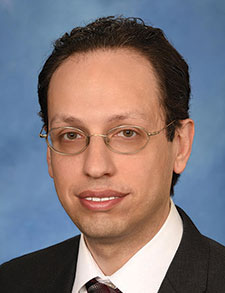
Steven Eliades, MD, PhD

When applying for a grant, Dr. Eliades, whose research interests include brain mechanisms and the basic neurobiology of hearing, advises members not to be too ambitious, especially early on. “Propose something achievable within a few years, particularly given the time pressures on new surgeon–scientists,” he said. “Have a strong mentorship plan, as well. Successful training grants and fellowships, like the K mechanism, almost depend as much on your mentor as they do on your science.”

You Might Also Like

  • TRIO Receives R25 Grant To Cultivate The Next Generation Of Otolaryngologist–Scientists
  • How to Land an NIH Grant
  • Tips for Pursuing the Elusive R01 Grant
  • Female Otolaryngologists Pursuing Research Careers Need More Support, Researchers Conclude
Explore This Issue
September 2024

Rick F. Nelson, MD, PhD, professor of otolaryngology and neurosurgery in the department of otolaryngology–head and neck surgery at Indiana University in Indianapolis, who received The Triological Society/American College of Surgeons Clinician Scientist Development Award in 2017, studies the common hearing loss gene, TMPRSS3, and its functional role within the cochlea.

Rick F. Nelson, MD, PhD

The grant supplemented his K08 award from the NIH, helping to fund his research efforts and enabling him to hire additional research personnel. This expedited his research productivity and accelerated his ability to generate data for publications as well as preliminary data for his successful R01, he said.

When writing a meritorious grant proposal, Dr. Nelson recommends starting with your specific goal—which is typically hypothesis-driven. “Aim to generate high-quality preliminary data,” he said. “Seek collaborations to strengthen your proposal. Consult scientists and mentors with similar expertise, who can provide constructive feedback and review your proposal six to eight weeks before submission.”

“Don’t be discouraged if your first few attempts to get your grant proposal accepted don’t succeed,” said Dr. Eliades, whose recent efforts have primarily focused on the neural mechanism of vocal communication, including both vocal production and perception and how the two interact. “Keep at it. Most likely, your mentors have had similar experiences.”


Pages: 1 2 3 | Single Page

Filed Under: Career, Features, Home Slider, Otolaryngology, Practice Focus Tagged With: research, TRIO GrantIssue: September 2024

You Might Also Like:

  • TRIO Receives R25 Grant To Cultivate The Next Generation Of Otolaryngologist–Scientists
  • How to Land an NIH Grant
  • Tips for Pursuing the Elusive R01 Grant
  • Female Otolaryngologists Pursuing Research Careers Need More Support, Researchers Conclude

The Triological SocietyENTtoday is a publication of The Triological Society.

Polls

Have you ever encountered a mentally or physically threatening patient or caregiver?

View Results

Loading ... Loading ...
  • Polls Archive

Top Articles for Residents

  • Is the SLOR in Otolaryngology Residency Applications Contributing to Rural Disparities?
  • Applications Open for Resident Members of the ENTtoday Editorial Board: Deadline Extended
  • A Resident’s View of AI in Otolaryngology
  • Call for Resident Bowl Questions
  • Resident Pearls: Pediatric Otolaryngologists Share Tips for Safer, Smarter Tonsillectomies
  • Popular this Week
  • Most Popular
  • Most Recent
    • Office Laryngoscopy Is Not Aerosol Generating When Evaluated by Optical Particle Sizer
    • More Than Skin Deep: Building a Workforce Patients Can Trust
    • Otolaryngologists Apply Safety Strategies When Treating Threatening Patients
    • Novel Fascia Taco Approach Shown Safe and Effective in Patients Receiving Nasal Septum Perforation Closure
    • Some Laryngopharyngeal Reflux Resists PPI Treatment
    • The Dramatic Rise in Tongue Tie and Lip Tie Treatment
    • Rating Laryngopharyngeal Reflux Severity: How Do Two Common Instruments Compare?
    • Is Middle Ear Pressure Affected by Continuous Positive Airway Pressure Use?
    • Otolaryngologists Are Still Debating the Effectiveness of Tongue Tie Treatment
    • Complications for When Physicians Change a Maiden Name
    • The Pursuit of Excellence—the Journey or the Gold
    • Is There Benefit of Music Training Following Cochlear Implantation?
    • Is Cognitive Behavioral Therapy Effective for Tinnitus?
    • Does Dupilumab Improve Sinonasal Outcomes in AERD Patients?
    • Making the Most of TRIO Meetings

Follow Us

  • Contact Us
  • About Us
  • Advertise
  • The Triological Society
  • The Laryngoscope
  • Laryngoscope Investigative Otolaryngology
  • Privacy Policy
  • Terms of Use
  • Cookies

Wiley

Copyright © 2026 by John Wiley & Sons, Inc. All rights reserved, including rights for text and data mining and training of artificial technologies or similar technologies. ISSN 1559-4939