• Home
  • Practice Focus
    • Facial Plastic/Reconstructive
    • Head and Neck
    • Laryngology
    • Otology/Neurotology
    • Pediatric
    • Rhinology
    • Sleep Medicine
    • How I Do It
    • TRIO Best Practices
  • Business of Medicine
    • Health Policy
    • Legal Matters
    • Practice Management
    • Tech Talk
    • AI
  • Literature Reviews
    • Facial Plastic/Reconstructive
    • Head and Neck
    • Laryngology
    • Otology/Neurotology
    • Pediatric
    • Rhinology
    • Sleep Medicine
  • Career
    • Medical Education
    • Professional Development
    • Resident Focus
  • ENT Perspectives
    • ENT Expressions
    • Everyday Ethics
    • From TRIO
    • The Great Debate
    • Letter From the Editor
    • Rx: Wellness
    • The Voice
    • Viewpoint
  • TRIO Resources
    • Triological Society
    • The Laryngoscope
    • Laryngoscope Investigative Otolaryngology
    • TRIO Combined Sections Meetings
    • COSM
    • Related Otolaryngology Events
  • Search

Research Highlights from the 2017 TRIO Annual Meeting

July 11, 2017

  • Tweet
  • Click to email a link to a friend (Opens in new window) Email
Print-Friendly Version

The researchers concluded that lymphatic malformation management has undergone a significant shift over the past 15 years. While surgical excision of the malformation was the predominant treatment in 1997, a gradual shift has occurred toward sclerotherapy, which has a lower complication rate.

You Might Also Like

  • Research Highlights from the 2017 TRIO Annual Meeting
  • Research Highlights from 2016 Triological Society Annual Meeting
  • Otolaryngology Research Highlights from Triological Society Annual Meeting
  • Coverage from the 2017 Triological Society Annual Meeting
Explore This Issue
July 2017

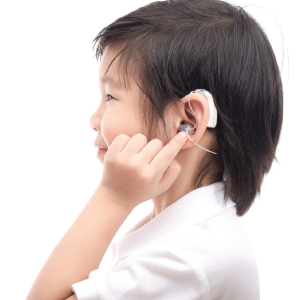
Linguistic and Behavioral Outcomes in Bilingual Children with Hearing Loss
© ANURAK PONGPATIMET / SHUTTERSTOCK.COM

© ANURAK PONGPATIMET / SHUTTERSTOCK.COM

In a prospective, cross-sectional study of children aged 6 to 17 years with permanent, non-profound hearing loss (HL), investigators recruited participants from a pediatric otolaryngology and audiology practice. Typically hearing (TH) siblings and patients from general pediatrics clinic were controls. All children were raised in households where the primary language was not English. English language proficiency was assessed by a licensed speech language pathologist using the Oral and Written Language Scales (OWLS-II); behavioral problems were assessed with the validated Child Behavior Checklist (CBCL); and native language proficiency was assessed with the SOLOM (Student Oral Language Observation Matrix).

The researchers found that age, sex, socioeconomic status, and years of English exposure were comparable between the HL (n=32) and TH (n=15) groups. Oral expression and listening comprehension were both worse in the HL cohort; children with unilateral HL performed significantly better than those with bilateral HL. HL children scored worse in native language proficiency than their TH counterparts. HL children had a higher incidence of clinically significant problem scores in social and school domains, with 25% of HL children having clinically significant behavioral problems.

The researchers concluded that children raised in a non-English speaking household are at particular risk for language delay in both English and their native language, as well as behavioral challenges, compared to their typically hearing peers. These disparities in speech, language, and behavioral outcomes in this at-risk group demonstrate the need for additional investigation and support.

Pages: 1 2 | Single Page

Filed Under: Features Tagged With: clinical trials, hearing loss, lymphatic malformations, research, sickle cell disease, Triological Society annual meetingIssue: July 2017

You Might Also Like:

  • Research Highlights from the 2017 TRIO Annual Meeting
  • Research Highlights from 2016 Triological Society Annual Meeting
  • Otolaryngology Research Highlights from Triological Society Annual Meeting
  • Coverage from the 2017 Triological Society Annual Meeting

The Triological SocietyENTtoday is a publication of The Triological Society.

Polls

Has experience as a patient influenced your professional development or demeanor?

View Results

Loading ... Loading ...
  • Polls Archive

Top Articles for Residents

  • A Resident’s View of AI in Otolaryngology
  • Call for Resident Bowl Questions
  • Resident Pearls: Pediatric Otolaryngologists Share Tips for Safer, Smarter Tonsillectomies
  • A Letter to My Younger Self: Making Deliberate Changes Can Help Improve the Sense of Belonging
  • ENTtoday Welcomes Resident Editorial Board Members
  • Popular this Week
  • Most Popular
  • Most Recent
    • The Path to Department Chair: Arriving and Thriving

    • Office Laryngoscopy Is Not Aerosol Generating When Evaluated by Optical Particle Sizer

    • How Audiologists and Researchers Are Shaping Military Hearing Health Practices

    • Top 10 LARY and LIO Articles of 2024

    • A River Between Generations: Reflections on Time, Care, and Legacy

    • The Dramatic Rise in Tongue Tie and Lip Tie Treatment

    • Rating Laryngopharyngeal Reflux Severity: How Do Two Common Instruments Compare?

    • Is Middle Ear Pressure Affected by Continuous Positive Airway Pressure Use?

    • Otolaryngologists Are Still Debating the Effectiveness of Tongue Tie Treatment

    • Keeping Watch for Skin Cancers on the Head and Neck

    • Why So Loud? Rethinking the Volume of Our Everyday Experiences
    • How Audiologists and Researchers Are Shaping Military Hearing Health Practices
    • A Case for Endoscopic Surgery: How Personal Experience Influenced Pursuit of a New Skill
    • The Path to Department Chair: Arriving and Thriving
    • Rewriting the Rules of Rhinosinusitis

Follow Us

  • Contact Us
  • About Us
  • Advertise
  • The Triological Society
  • The Laryngoscope
  • Laryngoscope Investigative Otolaryngology
  • Privacy Policy
  • Terms of Use
  • Cookies

Wiley

Copyright © 2026 by John Wiley & Sons, Inc. All rights reserved, including rights for text and data mining and training of artificial technologies or similar technologies. ISSN 1559-4939