President Michael Benninger, MD, reviewed the state of journal publishing and its sometimes untapped potential while underscoring the importance of being involved, even when spare time is limited.

President Michael Benninger, MD, reviewed the state of journal publishing and its sometimes untapped potential while underscoring the importance of being involved, even when spare time is limited.


What responsibility do we have in the otolaryngology community to police ourselves?

Here’s a look at some of the latest developments in pediatric otolaryngology.
From loss of smell to vocal cord paralysis, here are the ways COVID-19 has left its mark on otolaryngology patients.

This year will mark the 175th anniversary of the American Medical Association (AMA).
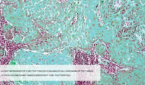
There are differences between how a community-based practice and a tertiary care center might approach head and neck cancer diagnosis. But what are they and why do they exist?

Private practice otolaryngologists say they are under pressure with stagnant reimbursement, increasing administrative burdens, and recruiting challenges.

Patient education and outreach are compelling enough reasons to embrace social media, but they’re by no means the only ones.

New imaging techniques using nanotechnology, as well as research advances in pharmaceutical treatments, may mean a wide range of solutions for hearing loss are within sight.