Twenty months after the first-in-human tracheal transplantation using a newly developed technique for vascularized single-staged tracheal transplantation, the recipient’s trachea is functional.
Self-Localization of Symptoms Useful When Evaluating Aural Discomfort
Patients presenting with aural discomfort are commonly encountered in otolaryngology. Part of the challenge in diagnosing these patients is the variability in their descriptions of the location, severity, and quality of aural discomfort.
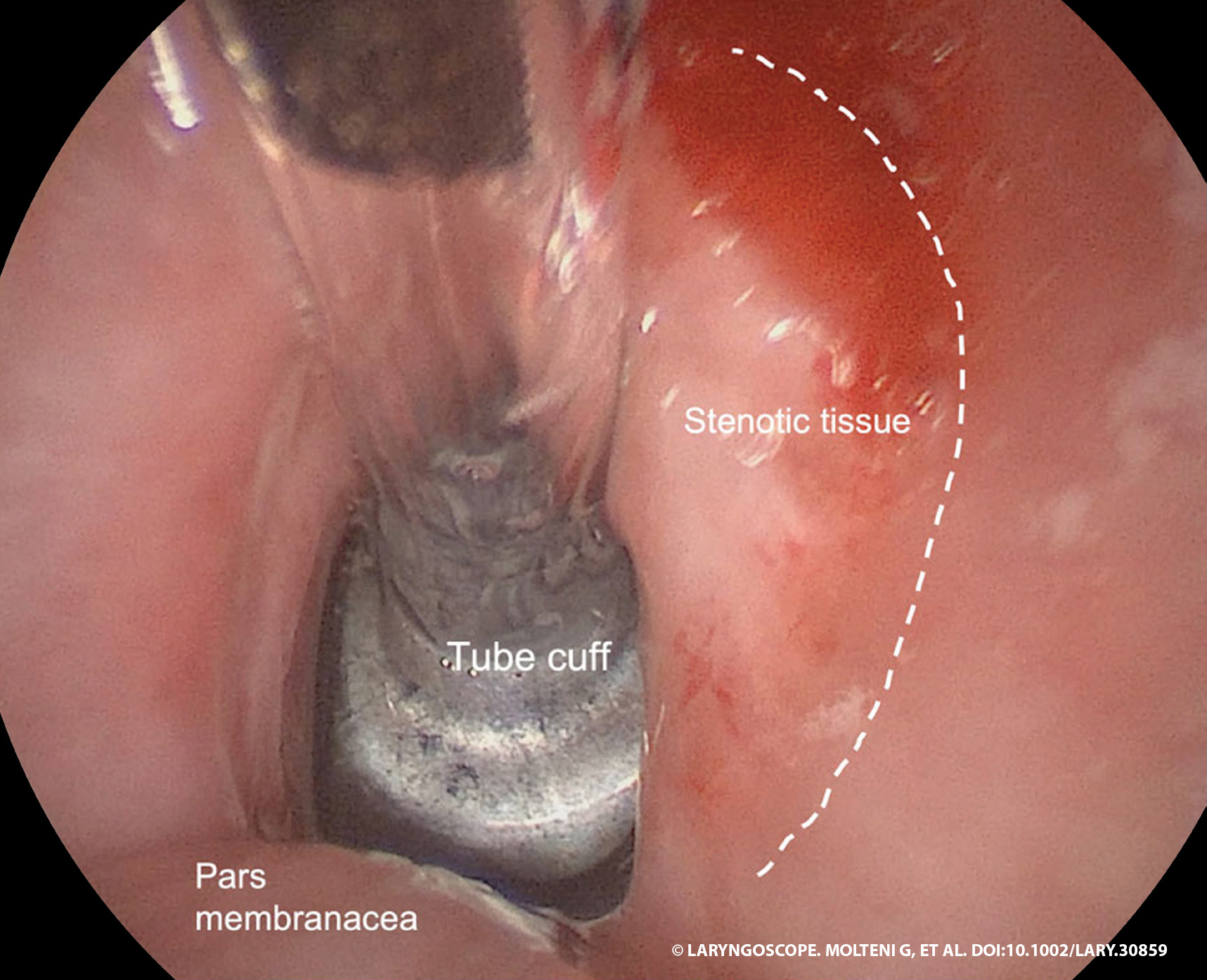
How to: Post-COVID-19 Airway Stenosis: Tracheal Resection-Anastomosis Using The Tritube Ventilation
Up to 12% of all COVID-19 patients may need intensive care unit admission for severe interstitial pneumonia, with possible long-term endotracheal intubation for mechanical ventilation, but prolonged endotracheal intubation can lead to mucosal injury and inflammation, granulation tissue formation, perichondritis, and subsequent stenotic scar tissue development.

How to: Nasoseptal Flap to Repair Large Maxillary Sinus Floor Defects
Should transoral options be limited or unavailable, recent reports have demonstrated success in closing oroantral fistulae with different intranasal mucosal flaps.
Is “See One, Do One, Teach One” the Best Way to Learn Procedures?
Surgical procedural training originated from the Halstedian apprenticeship model, which relies on sheer volume for graded responsibility to achieve “see one, do one, teach one.”

Videofluoroscopic Swallow Study and Fiberoptic Endoscopic Evaluation of Swallow—Which Is Superior?
Accurate assessment of the safety of oral feeds is essential in the pediatric population to avoid the risks of unsafe feeding or unnecessary restrictions.

Why Wait Until After Surgery? The Case for Pre-habilitation in Head and Neck Cancer Care
Multimodal pre-habilitation and rehabilitation have been an important topics in the literature, aiming to combat modifiable patient factors like sarcopenia, malnutrition, and psychological status.

When is the Optimal Time to Reduce Pediatric Nasal Bone Fractures?
Historically, nasal fractures have been reduced within seven days as pediatric patients are thought to undergo rapid osseous healing. Delayed nasal fracture reduction, however, allows soft tissue edema to abate, potentially aiding intraoperative result assessment.

Analyzing the Latest Gender-Affirming Care Restrictions in State Laws
At the time of this writing, the Tennessee state government had made headlines across the world that healthcare providers should pay attention to not only for ethical considerations, but also for professional ones.

COSM 2023 Sessions: A Review of Otolaryngology Topics
In April 2023, we listed a variety of topics at the 2023 Combined Otolaryngology Spring Meetings (COSM) in Boston that had piqued the interest of ENTtoday’s physician editor Robin W. Lindsay, MD. This time, we’ve taken a closer look and highlighted some of the topics chosen.
- « Previous Page
- 1
- …
- 27
- 28
- 29
- 30
- 31
- …
- 168
- Next Page »