High-tech tools such as virtual surgical planning (VSP) and 3D-printed implants are helping otolaryngologists treat patients with complex facial trauma with more accuracy for improved outcomes.

High-tech tools such as virtual surgical planning (VSP) and 3D-printed implants are helping otolaryngologists treat patients with complex facial trauma with more accuracy for improved outcomes.

Investigators from around the country presented their findings at the 120th Annual Meeting of the Triological Society
Nearly 11% percent of patients examined at trauma centers following motor vehicle collisions had at least one facial fracture, and airbags and seat belts were associated with reduced likelihood of those fractures, according to results of a recently published study.
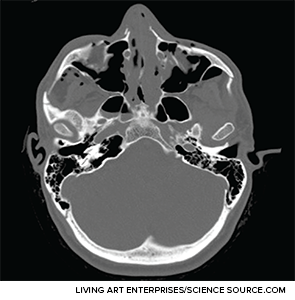
Experts discuss techniques, experience correcting facial fractures, deformities