• Home
  • Practice Focus
    • Facial Plastic/Reconstructive
    • Head and Neck
    • Laryngology
    • Otology/Neurotology
    • Pediatric
    • Rhinology
    • Sleep Medicine
    • How I Do It
    • TRIO Best Practices
  • Business of Medicine
    • Health Policy
    • Legal Matters
    • Practice Management
    • Tech Talk
    • AI
  • Literature Reviews
    • Facial Plastic/Reconstructive
    • Head and Neck
    • Laryngology
    • Otology/Neurotology
    • Pediatric
    • Rhinology
    • Sleep Medicine
  • Career
    • Medical Education
    • Professional Development
    • Resident Focus
  • ENT Perspectives
    • ENT Expressions
    • Everyday Ethics
    • From TRIO
    • The Great Debate
    • Letter From the Editor
    • Rx: Wellness
    • The Voice
    • Viewpoint
  • TRIO Resources
    • Triological Society
    • The Laryngoscope
    • Laryngoscope Investigative Otolaryngology
    • TRIO Combined Sections Meetings
    • COSM
    • Related Otolaryngology Events
  • Search

Patient Advocacy in Rare Sinonasal and Skull Base Tumors?

by Robbie Woods, MD, Marc Cohen, MD, and Evan Walgama, MD • November 4, 2025

  • Tweet
  • Click to email a link to a friend (Opens in new window) Email
Print-Friendly Version

Chordoma Foundation emphasizes that even without major research budgets, any rare disease community can replicate certain fundamentals:

You Might Also Like

  • Endoscopic Skull Base Surgery Indications Continue to Expand
  • Endoscopic Approach to Sinonasal Malignancies Stirs Debate
  • HPV Related to Rise in Head and Neck Cancers
  • New Research Calls for Sex-Specific Therapies for Thyroid, Head and Neck Cancer
Explore This Issue
November 2025
  • Build a patient database and maintain regular, meaningful contact.
  • Provide direct access to a real person for guidance.
  • Facilitate peer-to-peer connection to reduce isolation.
  • Identify and share specialist lists so patients can find experienced providers.
  • Partner with clinicians to ensure guideline dissemination and appropriate referrals.

Similarly, SMARCB1 Hope advises would-be advocates to:

  • Commit for the long term— meaningful change may take 10-20 years.
  • Avoid funding in isolation—seek to leverage established networks and review processes.
  • Stay adaptable—be willing to broaden focus strategically to strengthen sustainability.
  • Focus on relationships—with researchers, clinicians, media, and other advocacy groups. The Clinician–Advocate Partnership

The interviews reveal a shared vision: Patient advocacy groups and physicians are most effective when they operate as true partners. Otolaryngologists are often the first to diagnose these rare tumors and can:

  • Initiate early contact with advocacy groups;
  • Provide educational sessions at patient meetings;
  • Participate in or host research workshops; and
  • Encourage multidisciplinary and inter-institutional collaboration.

By doing so, clinicians not only improve individual patient experiences but also contribute to a broader ecosystem that accelerates progress in understanding and treating rare sinonasal and skull base tumors.

Conclusion

The Chordoma Foundation and SMARCB1 Hope offer compelling case studies in how determined, patient-centered advocacy can change the trajectory for those facing rare cancers. For physicians, these organizations are not just referral destinations—they are potential collaborators, sources of cutting-edge information, and allies in the mission to ensure every patient receives expert, informed, and compassionate care from the outset.

As Cassie from SMARCB1 Hope reflected, “If we bury ourselves in our very narrow field, we’ll go nowhere. We have to be strategic, broaden the scope, and keep building relationships.” And as Shannon from the Chordoma Foundation affirmed, “We couldn’t do any of it without the patients. Staying connected to them is what makes everything else possible.”

For the otolaryngology community, the message is clear: Engage with advocacy early, respect and harness the knowledge of rare disease patients, and work together across disciplines and borders. In rare cancer care, these partnerships are essential.
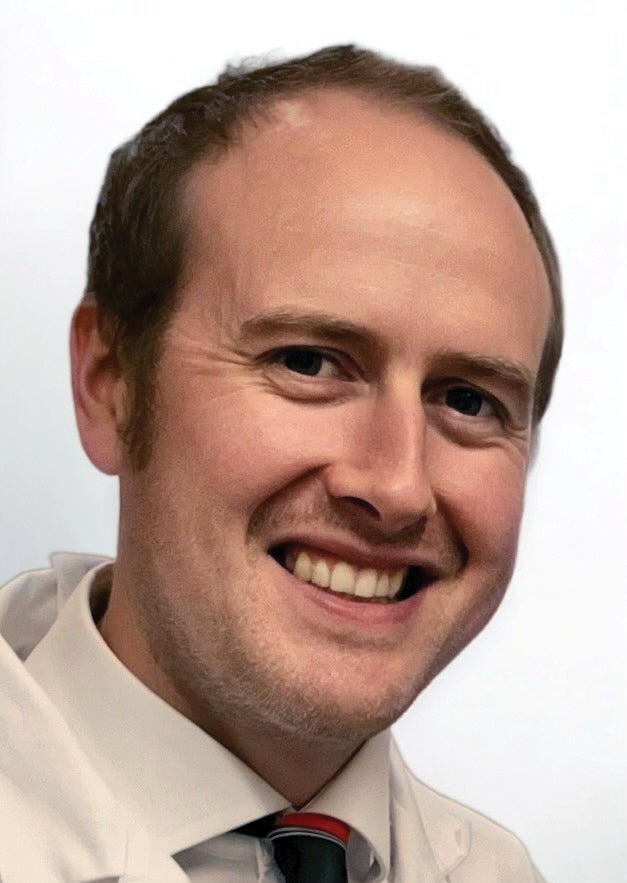
Dr. Woods

Dr. Woods is a consultant otolaryngology–head and neck surgeon at Beaumont Hospital/ RCSI, Ireland, an honorary clinical associate professor at the Royal College of Surgeons in Ireland, and co-chair of the Clinical Care and Patient Advocacy Committee of the AHNS Skull Base Surgery Section.

Pages: 1 2 3 4 | Single Page

Filed Under: Business of Medicine, Practice Management Tagged With: sinonasal and skull base tumorsIssue: November 2025

You Might Also Like:

  • Endoscopic Skull Base Surgery Indications Continue to Expand
  • Endoscopic Approach to Sinonasal Malignancies Stirs Debate
  • HPV Related to Rise in Head and Neck Cancers
  • New Research Calls for Sex-Specific Therapies for Thyroid, Head and Neck Cancer

Leave a Reply Cancel reply

Your email address will not be published. Required fields are marked *

The Triological SocietyENTtoday is a publication of The Triological Society.

Polls

Do you use TXA to reduce intraoperative and post-op bleeding?

View Results

Loading ... Loading ...
  • Polls Archive

Top Articles for Residents

  • A Resident’s View of AI in Otolaryngology
  • Call for Resident Bowl Questions
  • Resident Pearls: Pediatric Otolaryngologists Share Tips for Safer, Smarter Tonsillectomies
  • A Letter to My Younger Self: Making Deliberate Changes Can Help Improve the Sense of Belonging
  • ENTtoday Welcomes Resident Editorial Board Members
  • Popular this Week
  • Most Popular
  • Most Recent
    • Call for Resident Bowl Questions

    • Office Laryngoscopy Is Not Aerosol Generating When Evaluated by Optical Particle Sizer

    • Ethical Obligations and Duty to Advocate for Patients in Prior Authorization for Surgery

    • Empty Nose Syndrome: Physiological, Psychological, or Perhaps a Little of Both?

    • The Dramatic Rise in Tongue Tie and Lip Tie Treatment

    • The Dramatic Rise in Tongue Tie and Lip Tie Treatment

    • Rating Laryngopharyngeal Reflux Severity: How Do Two Common Instruments Compare?

    • Is Middle Ear Pressure Affected by Continuous Positive Airway Pressure Use?

    • Otolaryngologists Are Still Debating the Effectiveness of Tongue Tie Treatment

    • Keeping Watch for Skin Cancers on the Head and Neck

    • Growing Use of Tranexamic Acid in Otolaryngology
    • Reconnect, Recharge, Relax, and Choose Joy This Season
    • A Resident’s View of AI in Otolaryngology
    • Faculty Mentorship of Academic Surgeons
    • CMS’ New Rule Aims to Streamline the Prior Authorization Process

Follow Us

  • Contact Us
  • About Us
  • Advertise
  • The Triological Society
  • The Laryngoscope
  • Laryngoscope Investigative Otolaryngology
  • Privacy Policy
  • Terms of Use
  • Cookies

Wiley

Copyright © 2025 by John Wiley & Sons, Inc. All rights reserved, including rights for text and data mining and training of artificial technologies or similar technologies. ISSN 1559-4939