ENT leaders share hopes, innovations, and inspirations shaping the future of ENT

ENT leaders share hopes, innovations, and inspirations shaping the future of ENT

Wellness surveys in workplaces often fail to achieve meaningful outcomes when results are not shared or acted upon, leading to employee distrust and disengagement. For these surveys to be effective, organizations must use feedback to drive real improvements and foster a culture of openness and safety.
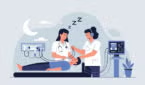
Sleep breathing disorders like OSA are common and require specialized care. Otolaryngologists with sleep medicine training are uniquely qualified to manage these conditions through multidisciplinary approaches, including surgical options. Sleep fellowships offer advanced expertise and certification opportunities in this evolving field.
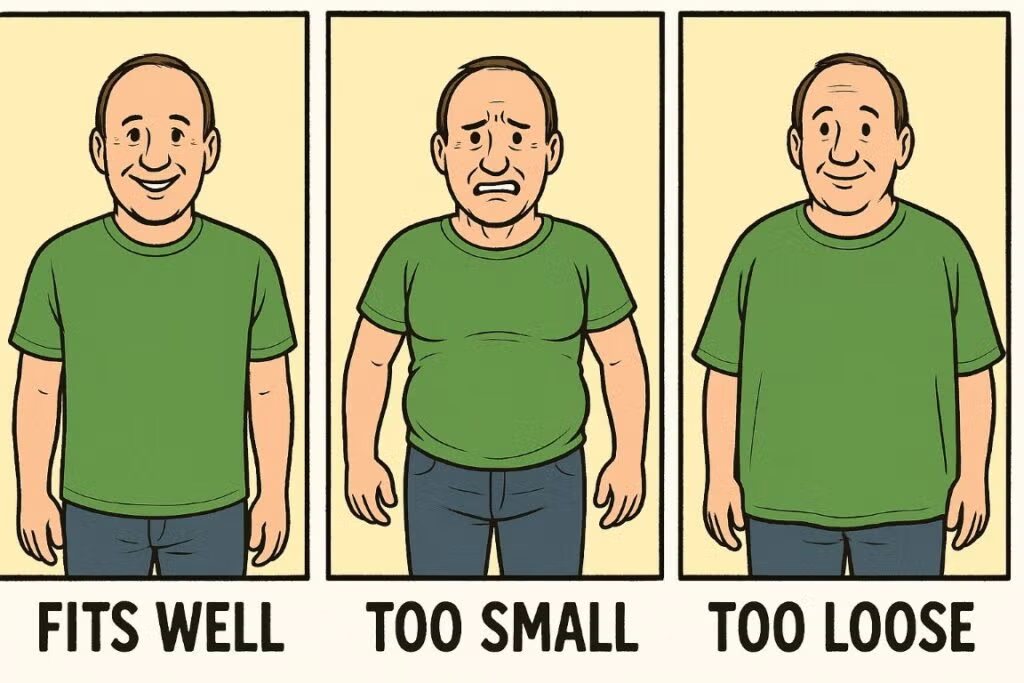
Although evidence-based medicine (EBM) is now formally referred to as the standard of medical care delivery, there are substantial concerns over its weaknesses and lack of utility on several levels. […]
Artificial intelligence (AI) is poised to significantly enhance healthcare by improving patient care and transforming the work experience for providers, particularly in otolaryngology. AI can reduce administrative burdens, allowing clinicians to focus more on patient interaction and thoughtful care.

Experiencing and creating “sacred moments”—brief periods of profound emotional or spiritual connection—can significantly reduce physician burnout and enhance well-being. These moments foster presence, empathy, and gratitude, helping healthcare professionals navigate the pressures of their demanding work and personal lives.

A “great bedside manner” is a difficult entity to quantify or define—it is akin to the old saw of “I will know it when I see it”; however, we can identify many elements of what patients have indicated are part of its fabric and presentation. The bedside manner, as viewed over the centuries, is a changing construct, with generational considerations, and is subject to new environments in medical diagnoses and treatments.
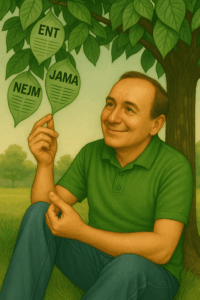
I have always admired our many high-quality medical journals. I am certain that countless hours of effort, time, and expertise are behind every publication across specialties. But as everything evolves, […]
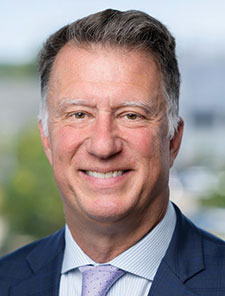
At 60 years old, after a fruitful career as a clinician–scientist, medical school dean, and provost at the Medical College of Wisconsin, Dr. Kerschner is pivoting his career to join Chartis, a leading healthcare advisory firm. In his role as a strategic transformation senior partner, Dr. Kerschner will apply not only his clinical and research expertise but also his leadership experience guiding a health system and medical school to help drive transformative change in healthcare.

We should consider our patients as more than just cases. They are people whose lives will be forever impacted by nerve loss, who will have lifelong issues with eating, speaking, and expressing themselves.