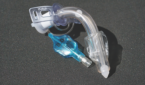
At least two new hypoglossal nerve stimulation (HNS) devices are being evaluated in clinical trials, and more are in development.

At least two new hypoglossal nerve stimulation (HNS) devices are being evaluated in clinical trials, and more are in development.

Telehealth is seen as favorable for several regular pediatric otolaryngology situations, including taking a history, conducting postoperative evaluations, and reviewing imaging.

Second opinion services offer the ability to have medical advice tailored to an individual patient’s medical questions rather than generic advice found through online searches.