
How Locum Tenens Can Offer Flexibility for Otolaryngologists and Mitigate Burnout
With existing and predicted physician shortages, locum tenens has become important to mitigate burnout, as well as to cover patients who don’t have access to a doctor.
With existing and predicted physician shortages, locum tenens has become important to mitigate burnout, as well as to cover patients who don’t have access to a doctor.
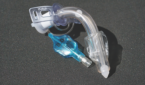
Shortages of necessary tracheostomy supplies, which were exacerbated by the COVID-19 pandemic, are causing some patients to find creative but potentially dangerous alternatives.

An otolaryngologist shares the struggles of making the decisions in treating his mother’s final illness and the guilt and grief that followed.

Many otolaryngologists find themselves walking a tightrope as they seek safe and ethical solutions in today’s increasingly volatile landscape.

I encourage you to explore opportunities and discover ways to challenge yourself, meet new people, and encounter new thoughts and ideas.
Among the highlighted findings in this analysis is the importance of laryngoscopic examination to detect preoperative vocal cord paralysis.
Stimulated Raman histology can rapidly produce images similar to FFPE H&E in sinonasal and skull base tumors.
Cosmetic component dorsal hump reduction with use of spreader grafts to reconstruct the middle vault results in improved subjective nasal function and aesthetics.
Overrepresentation of White matched residents and underrepresentation of racial and ethnic minority groups other than Asian across competitive specialties suggests systemic disparities within the selection process.
Dilute versions of PVP-I nasal spray appear safe for topical use in the nasal cavity, but PVP-I does not demonstrate virucidal activity in COVID-19–positive patients.
Evaluating the current state of extended reality use in otolaryngology education.
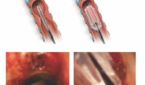
The Trachealator is a novel, non-occlusive balloon dilator designed for single use.
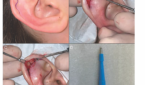
All patients treated with the hole-punch technique had excellent results with no additional recurrences, and no patients developed cauliflower deformity.