We may be at a saturation point in otolaryngology where the number of fellows is as high as it’s going to get, but who knows what the future holds?


We may be at a saturation point in otolaryngology where the number of fellows is as high as it’s going to get, but who knows what the future holds?
Reconstructive technique, extent of resection, and patient body mass index (BMI) significantly contribute to cerebrospinal fluid leak rate in endoscopic repair of skull base defects.
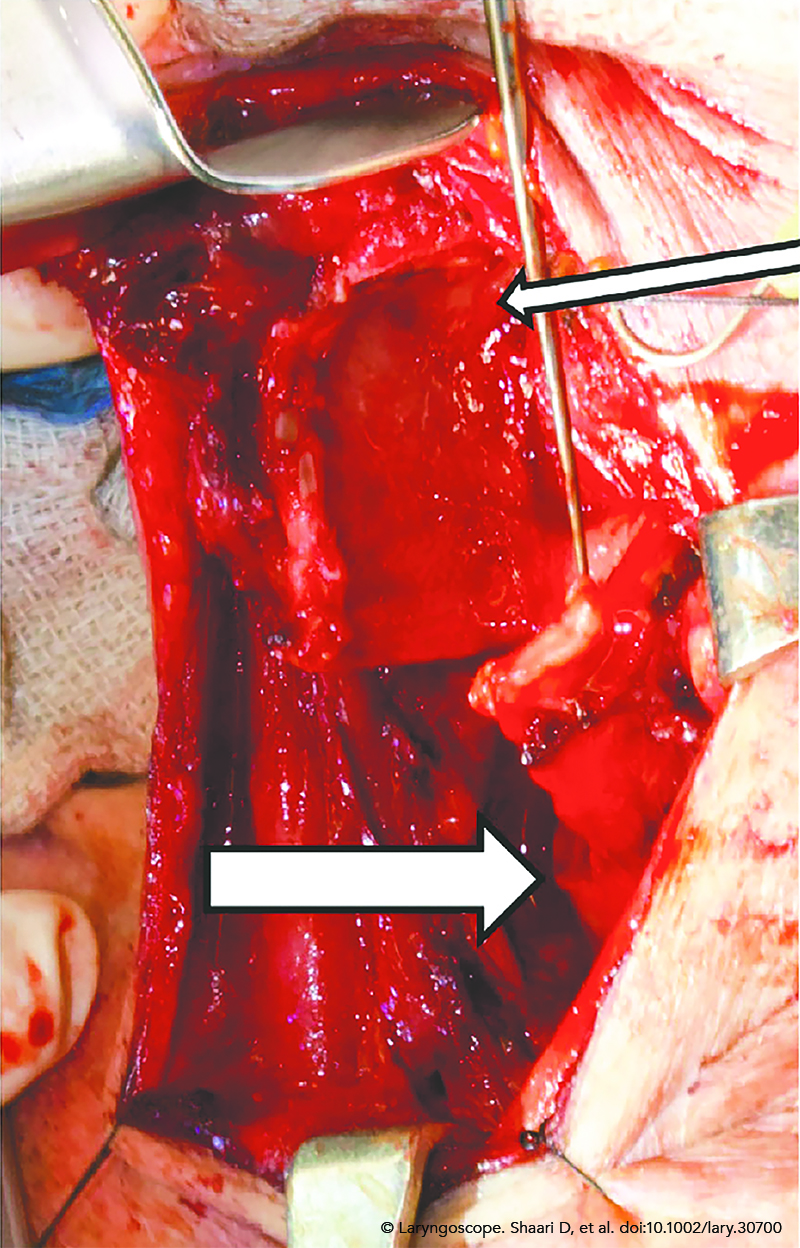
Neoadjuvant therapy with cemiplimab was associated with a pathological complete response in a high percentage of patients with resectable cutaneous squamous cell carcinoma.
One kinetic oscillation stimulation treatment appears to provide nonallergic rhinitis patients with a subjective symptom improvement for at least one year.
There are significant variations in preferences regarding vocal fold injection materials, although hyaluronic acid-based products are the most frequently used by providers.
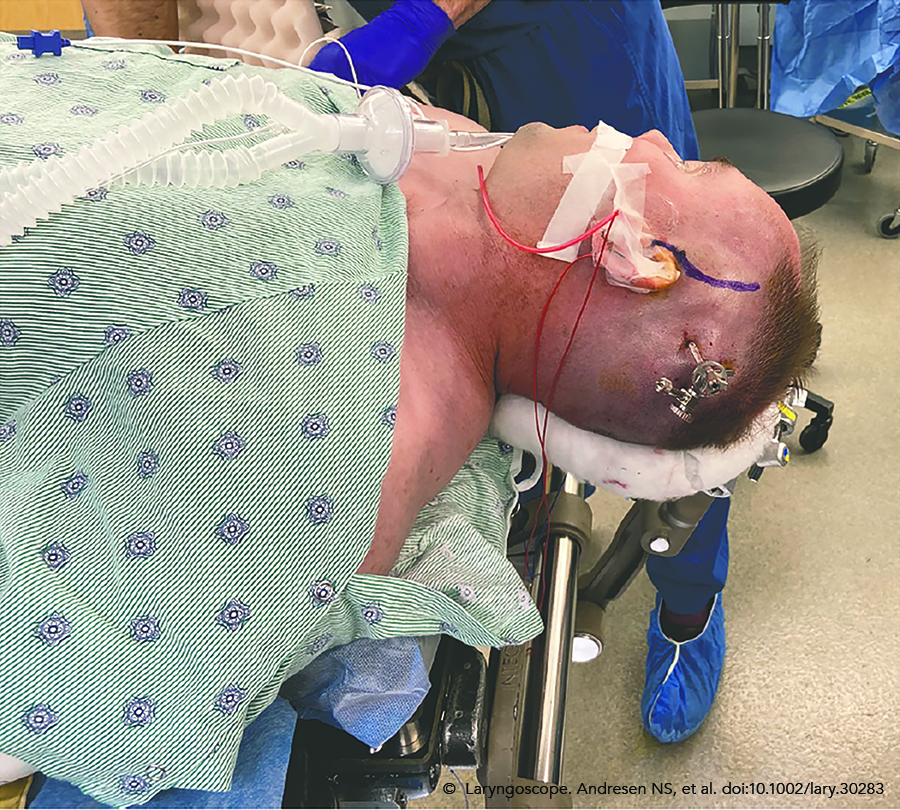
Facial nerve paralysis is a possible presentation following COVID-19 infections and is associated with both Guillain-Barré Syndrome patients and non-GBS patients.
Experts reached consensus on a checklist of the most critical components of a surgeon’s operative notes following pediatric microlaryngoscopy and bronchoscopy.
For patients who merely need perforation repair, this method spares a canal incision, which favors blood supply to the tympanic membrane and simplifies wound dressing.
A combination of surgical techniques can be useful for the anterior closure of septal perforations, especially in those in which the anterior edge of the perforation reaches the skin of the columella.
Philips Respironics has recalled a second set of CPAP/BiPAP machines, identified as a Class I recall by the U.S. Food and Drug Administration. The 1,088 recalled DreamStation1 units, distributed between […]