Dr. Holt explores the ethical responsibilities of otolaryngologists when asked to provide emergency care to patients who are uninsured and outside their usual practice, emphasizing the evolving nature of duty in modern medical practice.

Dr. Holt explores the ethical responsibilities of otolaryngologists when asked to provide emergency care to patients who are uninsured and outside their usual practice, emphasizing the evolving nature of duty in modern medical practice.

What are the ethical challenges and humanistic responsibilities of otolaryngologists in integrating AI into patient care?

Navigating new rules and persistent challenges in prior authorization for surgery

A “great bedside manner” is a difficult entity to quantify or define—it is akin to the old saw of “I will know it when I see it”; however, we can identify many elements of what patients have indicated are part of its fabric and presentation. The bedside manner, as viewed over the centuries, is a changing construct, with generational considerations, and is subject to new environments in medical diagnoses and treatments.

Realistic hope can be beneficial to the patient if developed within the envelope of evidence and experience known by the clinician and bolstered by an honest, informed discussion with the patient.

There are some ethical considerations in using a holistic approach to otolaryngology care, including privacy issues, inappropriate lifestyle interventions for a given patient, autonomy and informed consent, and cultural sensitivities.
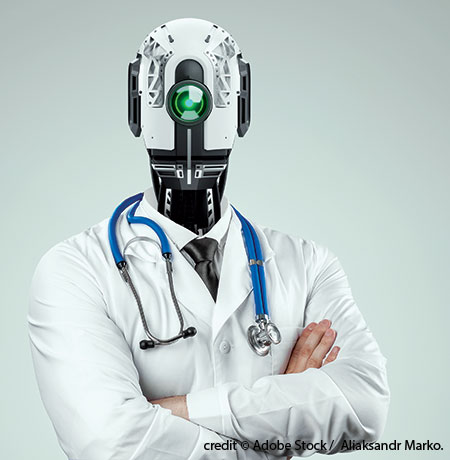
It’s predicted that the capabilities of AI and AI-supported applications will include enhancement of pertinent data summaries that are far more comprehensive than individual physician literature searches can provide.

While proponents of value-based care indicate that the cost savings and efficiency of the system are inherently quality based, it remains to be seen how that will play out at the patient–physician relationship level

Caring for the homeless and uninsured may be a challenge and they may take more of our valuable time than other patients, but if we deny them our care, we stand to lose a bit of our professional soul in the process.

The expression, “Patience is a virtue” has never been more true than for elderly patients you might see in your practice.