Physicians who establish or take over existing ASCs are involved in a venture that can allow them to be more cost effective, provide more efficient care, and develop a secondary revenue stream, experts say.
Physicians who establish or take over existing ASCs are involved in a venture that can allow them to be more cost effective, provide more efficient care, and develop a secondary revenue stream, experts say.
The Triological Society Research Career Development Awards provide funding to otolaryngologists for their research projects at an early faculty stage, before they have received funding from the National Institutes of Health (NIH).

For aspiring physician–scientists, securing grant funding early in their careers can make all the difference in establishing a thriving research program; however, the path from mentored career development awards to independent research awards is
extremely competitive.
When it comes to drug therapy most of the recent buzz has been triggered by data on tirzepatide released at the American Diabetes Association 84th Scientific Sessions, suggesting that the drug may obviate the need for continuous positive airway pressure (CPAP) in nearly half of OSA patients.


It’s critical that otolaryngologists become familiar with, educated about, and unafraid of AI to prepare for the inevitable integration of AI applications into their practices.

Otolaryngologists Open West Africa Institute for Special Surgery (WAISS) to Improve Access to Care

Value-Based Compensation model can be considered advantageous because it evens the playing field between proceduralists and non-proceduralists, but defining value and implementing VBC can be challenging.

New standardized otolaryngology curriculum’s goal is to deliver a comprehensive and appropriately detailed curriculum that will help direct self-learning and serve as a jumping-off point for residency programs’ didactic learning.
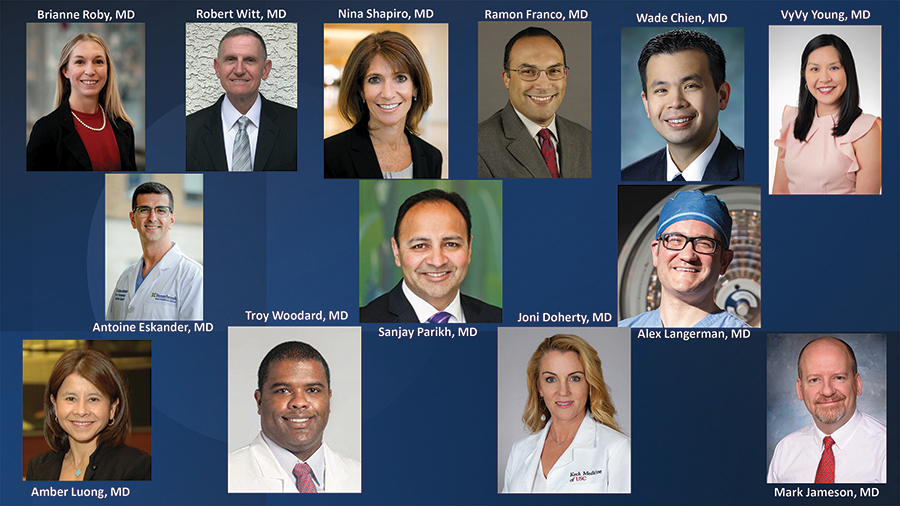
A successful thesis advances medical knowledge in our specialty in a meaningful way. It is not an obstacle; it is an opportunity to clearly state who we are as academic difference-makers, an opportunity to rigorously acknowledge from where we came while exalting where we may go, an opportunity to join a society of like-minded souls and allow them to rejoice in our efforts.