Using a transoral endoscopic vestibular approach to the Sistrunk procedure results in an improved cosmetic outcome while achieving all objectives of the traditional approach
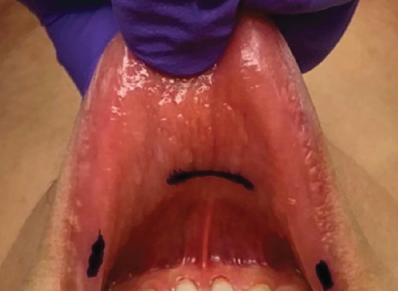
Using a transoral endoscopic vestibular approach to the Sistrunk procedure results in an improved cosmetic outcome while achieving all objectives of the traditional approach
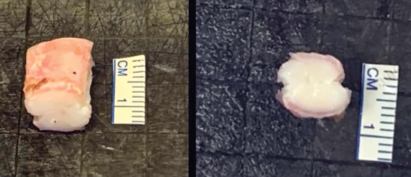
We present a modified EPCS/RG that involves the use of balloon dilation to aid in the the placement of the cartilage graft into the divided cricoid lamina.
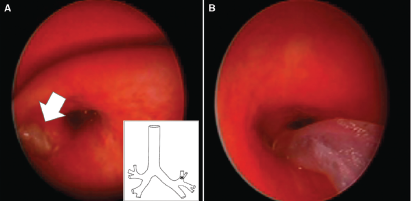
Use of a bent flexible suction catheter to guide a urological wire basket during rigid bronchoscopy is a feasible technique for foreign body removal in the distal pediatric airway.
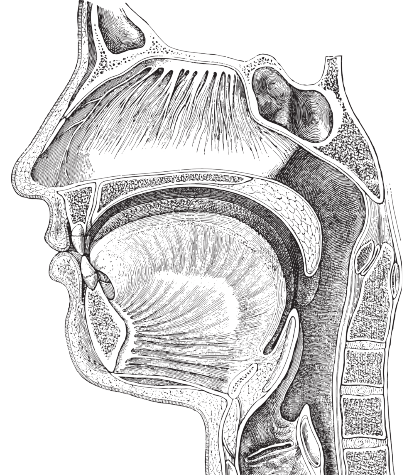
A thyroglossal duct cyst is one of the most common congenital anomalies of the midline neck.
Vocal exertion can result in chronic vocal fatigue, putting individuals at risk for voice disorders.
Concurrent modified barium swallow (MBS) study and esophagrams may improve diagnostic accuracy, but they minimize additional studies.
Here’s what a detailed literature review related to the epidemiology, diagnosis, and management of vocal cord leukoplakia reveal about oncologic outcomes, voice preservation, and current and emerging techniques.
In addition to helping the patient avoid unnecessary diagnostic surgery, these assessments may provide critical insight as well as offer contemporary personalized treatment options for advanced disease.
Evidence from a national insurance claim database suggests that esophageal dilation is a safe procedure with a very low rate of serious complications and mortality.
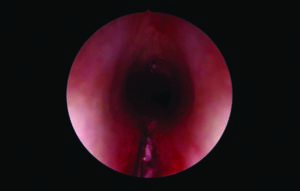
Endoscopic anterior and posterior cricoid split (EAPCS) has emerged as an alternative that is nondestructive and can offer a long-lasting solution to congenital BVFP while avoiding tracheostomy.