Cholesterol granulomas produce significant quantities of BTP, potentially resulting in erroneous diagnoses of CSF leakage.
Findings Underscore Potential Bidirectional Relationship of Loneliness and Hearing Loss
There is a notable association between loneliness and an increased risk of HL.
SFI Method Shows High Accuracy in Predicting Middle-Ear Dysfunctions
Study results suggest that the sweep frequency impedance (SFI) method will lead to more accurate predictions of middle-ear dysfunctions in clinical settings as compared to conventional tympanometry.
Reusable Laryngoscopes Pose an Environmental Benefit Over Single-Use Disposable Counterparts
When used at a high frequency, R-Ls pose an environmental benefit over SUD-Ls, although SUD-Ls have significant advantages in various situations.
Before and After Facelift Photos on Social Media Reflect Misleading Pre- and Post-Operative Deviations
There are significant inconsistencies in surgeon-posted before and after facelift photos found on Instagram concerning size, rotation, brightness, and more.

The Otolaryngology Core Curriculum: Advancing standardization and equity in resident education
ENTtoday Debuts SUO Corner: The landscape of graduate medical education (GME) is undergoing a significant transformation, driven by an increased emphasis on outcomes, accountability, standardization, and equity. In otolaryngology, these shifts have highlighted the spectrum of educational resources and faculty available in different residency programs, as well as the differences in how trainees are taught, assessed, and prepared for independent practice.

What Is Considered Adequate Surgery for Chronic Rhinosinusitis with Nasal Polyps?
Chronic rhinosinusitis (CRS) is among the most prevalent chronic medical conditions globally. A survey of Canadian households reported the prevalence of CRS to be 5%. CRS is a clinical syndrome defined by persistent symptomatic inflammation of the mucosa in the nasal cavities and sinuses. A common subtype of CRS is CRS with nasal polyps (CRSwNP), which is identified through endoscopy or imaging

Physician, Know Thyself! Tips for Navigating Mid-Career Transitions in Otolaryngology
‘Physician, heal thyself” is an ancient proverb encouraging the importance of examining one’s own professional identity, strengths, and limitations to better serve patients. But if you’re an otolaryngologist contemplating a mid-career change, “Physician, know thyself” may be a better guidepost for finding the best match for your personal needs and professional talents.
Such self-awareness was one of several tools ENT physicians cited during a panel on mid-career transitions held during The Triological Society’s 2025 Combined Sections Meeting in Orlando, Fla.
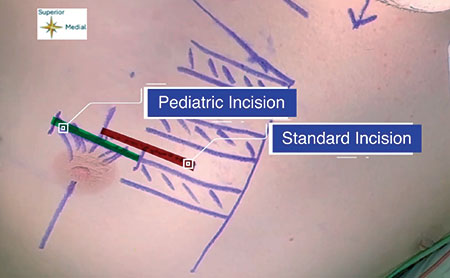
How To: Anatomic-Based Technique for Sensing Lead Placement in Hypoglossal Stimulator Implantation
Placement of the sensing lead can be challenging in obese and Down syndrome patients. This article presents an alteration in technique for its placement in these patient populations.
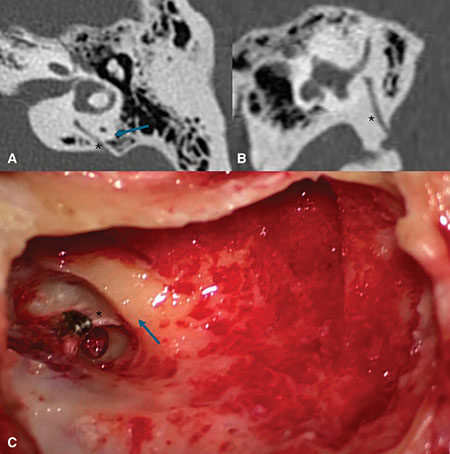
How To: Endolymphatic Duct Blockage and Anatomical Variations Management
This article focuses on the surgical approaches and anatomical variations of the endolymphatic sac during the transmastoid route, which varies with the size of the duct within the petrous bone and its accessibility.
- « Previous Page
- 1
- 2
- 3
- 4
- 5
- 6
- …
- 168
- Next Page »