Despite the FDA’s approval in 2019 of cochlear implants (CI) for children aged 5 years and older with single-sided deafness (SSD), not all clinicians are aware of the benefits of the procedure for […]

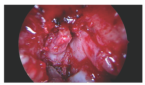
The specific challenges of pediatric skull base surgery may be overcome with the adaptation of these techniques and the adoption of new instruments.
Post-tonsillectomy hemorrhage is a common and potentially life-threatening complication but there is no statistically significant increase in risk at the low or high range of commonly used clinical dosages.

Physician experts at the 2022 Triological Society Combined Sections Meeting discussed biologic therapy options for pediatrics chronic rhinosinusitis with polyps and recurrent respiratory papillomatosis.
Although OSA is known to lead to arousals and central apneas, no study has identified factors associated with CSA improvement following adenotonsillectomy.
Patients with EA/TEF frequently have aerodigestive sequelae, suggesting the need for early otolaryngology evaluation in their care.

Here’s a look at some of the latest developments in pediatric otolaryngology.

Currently, there are no guidelines for the management of retained tubes in asymptomatic patients. Should they be removed?
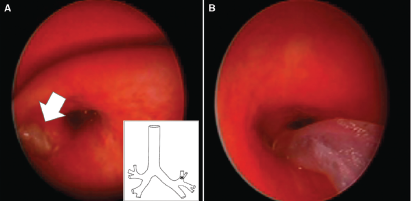
Use of a bent flexible suction catheter to guide a urological wire basket during rigid bronchoscopy is a feasible technique for foreign body removal in the distal pediatric airway.
Single visit surgery for tympanostomy tube placement offers convenience and cost savings to family members, and marketing efforts promoting this option are effective.