I have always admired our many high-quality medical journals. I am certain that countless hours of effort, time, and expertise are behind every publication across specialties. But as everything evolves, […]

I have always admired our many high-quality medical journals. I am certain that countless hours of effort, time, and expertise are behind every publication across specialties. But as everything evolves, […]

‘Physician, heal thyself” is an ancient proverb encouraging the importance of examining one’s own professional identity, strengths, and limitations to better serve patients. But if you’re an otolaryngologist contemplating a mid-career change, “Physician, know thyself” may be a better guidepost for finding the best match for your personal needs and professional talents.
Such self-awareness was one of several tools ENT physicians cited during a panel on mid-career transitions held during The Triological Society’s 2025 Combined Sections Meeting in Orlando, Fla.

Prior authorization (PA) reform has been a long time coming. Will we finally start to see some changes with the passage of the Reducing Medically Unnecessary Delays in Care Act of 2025, the finalization of the Centers for Medicare and Medicaid Services’ (CMS’) Interoperability and Prior Authorization Final Rule in January 2024, the introduction of provider gold cards and payer scorecards, and a shift to electronic authorization systems?
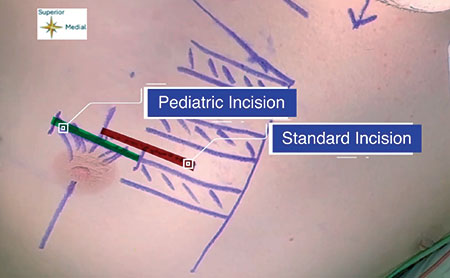
Placement of the sensing lead can be challenging in obese and Down syndrome patients. This article presents an alteration in technique for its placement in these patient populations.
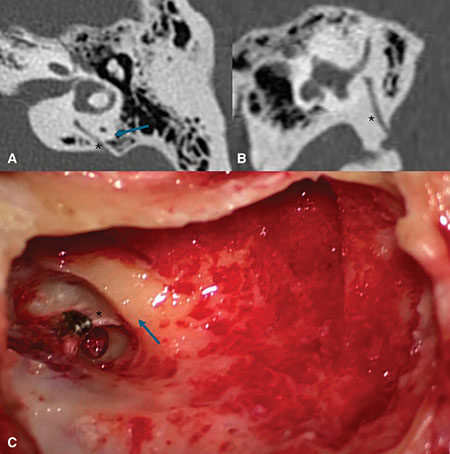
This article focuses on the surgical approaches and anatomical variations of the endolymphatic sac during the transmastoid route, which varies with the size of the duct within the petrous bone and its accessibility.
Hearing loss genes vary widely in treatment favorability; thus, targeting development efforts to promising candidates will ensure the highest likelihood of clinical success. Several genes were identified as appealing targets.
Study results suggest a link between certain dietary elements and a lower incidence of tinnitus.
Currently, initial treatment approaches to ENS prioritize conservative management; given the complexity and severity of the condition, patients and clinicians should approach surgical options with caution.

ENS represents one of the more complex conditions in otolaryngology, characterized by the paradoxical feeling of nasal obstruction despite objectively patent airways. In addition to the feeling of severe nasal obstruction—one patient called it “suffocating with every breath”—patients also report dryness, burning, and crusting. The quality-of-life impact can be so great that some patients travel the world seeking multiple consultations and revision surgeries.
The use of AI in healthcare has the potential to improve clinical care and efficiency, accelerate research, and empower patients and communities, but challenges must be addressed.