Leaders in otolaryngology are doubling down on diversity to achieve a level that accurately reflects the public it serves.

Leaders in otolaryngology are doubling down on diversity to achieve a level that accurately reflects the public it serves.

Physicians should advocate for laws where surgeons with high insurance approval rates or documented outcome improvement receive expedited approval.
Physician turnover can create care interruptions and result in lowered patient satisfaction, decreased quality of care, and worse outcomes.
A tracheocutaneous fistula (TCF) commonly persists after pediatric tracheostomy decannulation, potentially preventing tract closure and negatively impacting phonation, swallowing, and cough physiology.
Elective Neck Dissection does not improve survival rate but may be useful for staging and identifying candidates for treatment intensification, as well as for offering prognostic information to the patient.
This study provides additional evidence that we may be able to minimize narcotic pain medication use and reserve it for patients who are uncontrolled on NSAIDs alone.
Researchers arrived at 40 statements for the comprehensive use of swallowing fluoroscopy in adults to guide best practices and influence policy regarding the procedure.

TRIO Best Practice articles are brief, structured reviews designed to provide the busy clinician with a handy outline and reference for day-to-day clinical decision making. The ENTtoday summaries below include […]
Outpatients with voice and swallowing complaints are often referred to otolaryngologists who diagnose UVFP and may perform injection laryngoplasty under local anesthesia in the office setting.
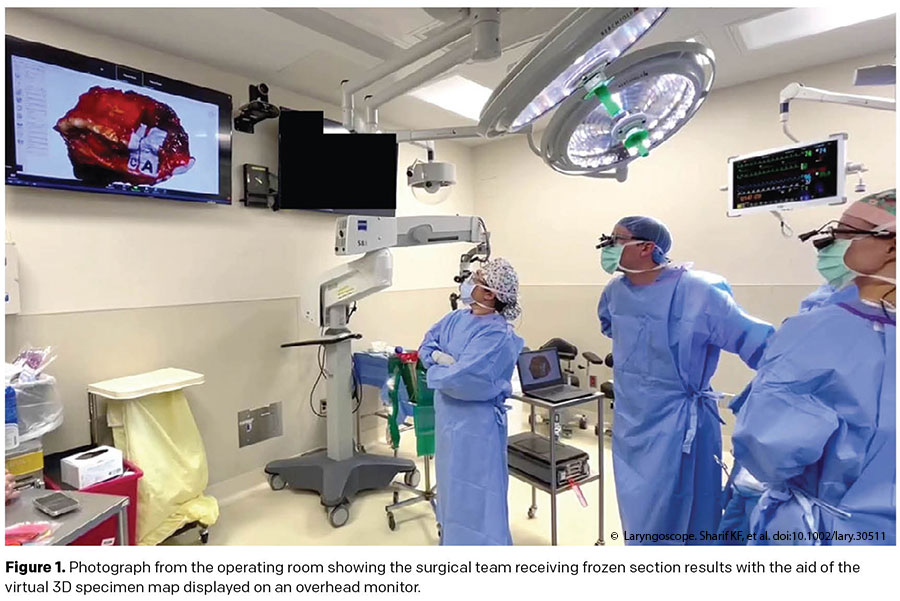
Given the high rate of positive surgical margins in head and neck cancer, there is a need to improve margin analysis technique and intraoperative communication protocols.