A look at how well online-only and hybrid medical society meetings have been received, and what might happen in the future.



Medical journals around the world are opening access to COVID-19-related research for public viewing to ensure timely access to information and to share research that may slow the pandemic.
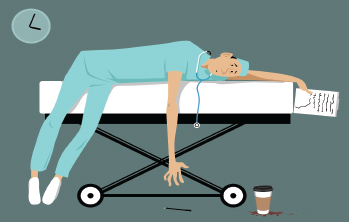
There are pros and cons to at-home and in-home calls, but the biggest concern is educating the resident and caring for patients.

Research training can vary from institution to institution, with some programs geared toward training otolaryngologists in private practice and others geared toward those who want to become academics or researchers.
Medical students described a negative academic climate to which they said USMLE Step 1 was contributing, a climate increasingly addled with competition over matching into subspecialties.


ENTtoday’s list of science-based resources for otolaryngologists includes websites, medical indexes, podcasts, and videos that are all available for education and awareness about the world of otolaryngology.

Burnout at the early stages of a medical career can cause one to feel hopeless about medicine and/or oneself, and less empathetic toward patients.

Studies have consistently shown that active learning methods are the best way for students to understand, absorb, retain, and utilize information.