Dr. Lindsay reflects on her first experience participating in Advocacy Day, organized by the AAO-HNS, highlighting the importance of physician advocacy beyond clinical care.

Dr. Lindsay reflects on her first experience participating in Advocacy Day, organized by the AAO-HNS, highlighting the importance of physician advocacy beyond clinical care.

I don’t know about you, but I love a good motivational sports story. In fact, I am drawn to stories of perseverance and the pursuit of excellence in any field. […]


Many medical students interested in competitive specialties like otolaryngology consider taking a gap year to conduct research, aiming to enhance their residency applications and future careers. While this trend is increasing, its benefits and consequences are debated among program directors, otolaryngologists, and trainees.
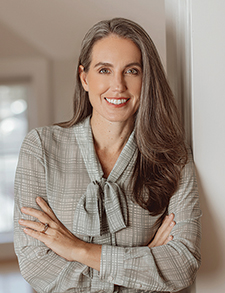
Dr. Lindsay reflects on the Combined Sections Meeting of the Triological Society, highlighting its evolution into a unified, mentorship-focused event that fosters networking, diversity, and research support across all career stages in otolaryngology.

The authors discuss how the standardized letter of recommendation used in otolaryngology residency applications may contribute to rural healthcare disparities by favoring academic career-oriented candidates over those interested in comprehensive rural practice.
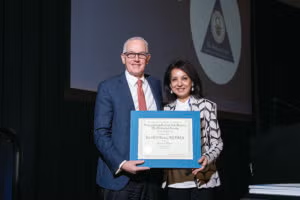
At this year’s Combined Sections Meeting, held in Orlando, Fla., January 22-24, the four sections of the Triological Society took the stage to recognize and appreciate otolaryngologists from across the country. The section vice presidents—Natasha Mirza, MD, eastern, Craig A. Buchman, MD, middle, Earl H. Harley, MD, southern, and Dinesh K. Chhetri, MD, western—acknowledged guests of honor and citation winners from their respective sections.

ENTtoday added two resident positions to its editorial board in 2025. The editorial board serves as a think tank for the publication, providing content ideas, editorial direction, and insight into […]


Dr. Lindsay emphasizes the importance of reconnecting, recharging, and choosing joy in the face of the professional and personal challenges faced by otolaryngologists. She highlights the importance of authentic connections and intentional self-care during challenging times.