• Home
  • Practice Focus
    • Facial Plastic/Reconstructive
    • Head and Neck
    • Laryngology
    • Otology/Neurotology
    • Pediatric
    • Rhinology
    • Sleep Medicine
    • How I Do It
    • TRIO Best Practices
  • Business of Medicine
    • Health Policy
    • Legal Matters
    • Practice Management
    • Technology
    • AI
  • Literature Reviews
    • Facial Plastic/Reconstructive
    • Head and Neck
    • Laryngology
    • Otology/Neurotology
    • Pediatric
    • Rhinology
    • Sleep Medicine
  • Career
    • Medical Education
    • Professional Development
    • Resident Focus
  • ENT Perspectives
    • ENT Expressions
    • Everyday Ethics
    • From TRIO
    • The Great Debate
    • Letter From the Editor
    • Rx: Wellness
    • The Voice
    • Viewpoint
    • SUO Corner
  • TRIO Resources
    • Triological Society
    • The Laryngoscope
    • Laryngoscope Investigative Otolaryngology
    • TRIO Combined Sections Meetings
    • COSM
    • Related Otolaryngology Events
  • Search

What Otolaryngologists Can Learn from Athletes

by Jennifer L.W. Fink • March 4, 2026

  • Tweet
  • Email a link to a friend (Opens in new window) Email
Print-Friendly Version

Dr. Palmer also uses mindfulness and meditation to strengthen his focus, though he admits his practice isn’t consistent. “I’ve gone on kicks where I meditate a lot and also had times where I’m not as good about it,” he said. “When I am good about it, I notice a pretty incredible boost in my ability to stay levelheaded, manage emotions, and remain even-keeled throughout the day.”

You Might Also Like

  • Beijing’s Air Quality Affects Olympic Athletes’ Performance
  • Otolaryngologists Discuss Keys to Treating Top Athletes
  • Digital Transformation, Wearable Technology, and Physician Wellbeing
  • Depression, Anxiety Rarely Assessed in Patients with Otolaryngologic Disorders
Explore This Issue
March 2026

The ability to manage stress and stay levelheaded is crucial to surgical success.
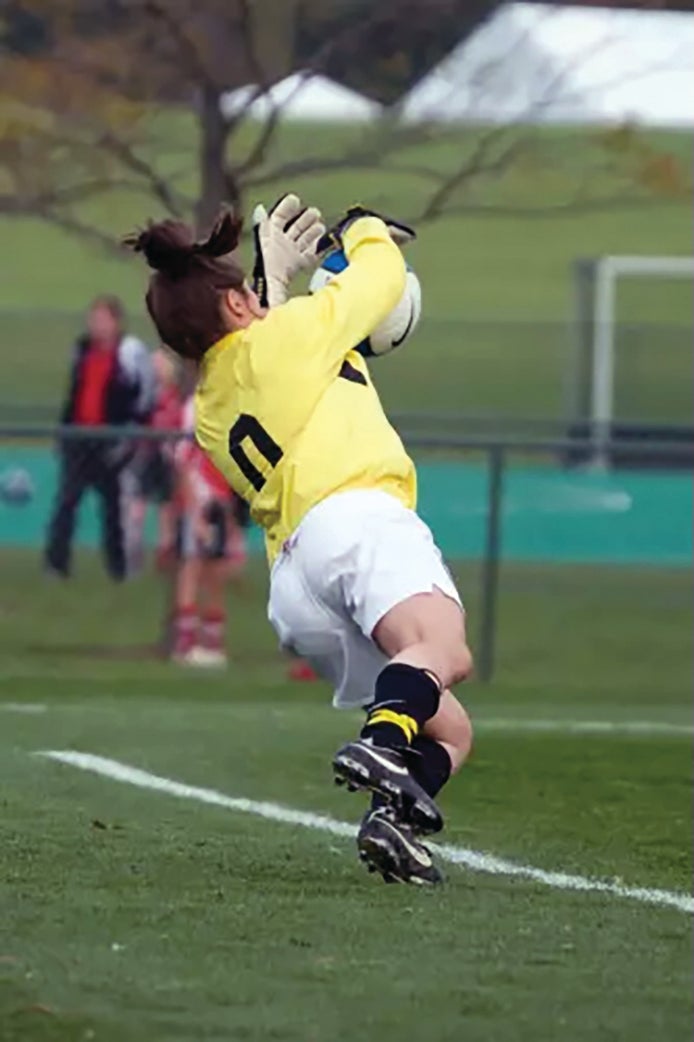
Dr. Natalie Krane is a former collegiate soccer player.

“Surgeries are not like building cars in a manufacturing plant. They don’t all go the same way every single time,” said Natalie Krane, MD, an assistant professor of otolaryngology–head and neck surgery in the division of facial plastic and reconstructive surgery at Oregon Health and Science University in Portland.

No two patients’ sinuses are the same, and despite pre-surgical imaging, you may encounter unexpected obstacles and challenges intra-operatively. Surgeons’ stress levels tend to rise at that time—and although rising adrenaline levels are a good, helpful response designed to sharpen focus so you can respond quickly and accurately, an unchecked stress response can also lead to shaky hands and scattered focus.

A 2025 systematic review of literature examining the impacts of stress on surgical performance found that acute stress consistently leads to impairment in both technical and non-technical skills, including diminished instrument handling, higher procedural error rates, and impaired communication (Surg Endosc. doi: 10.1007/s00464-024-11389- 3). “Pushing through” stress—continuing work without attempting to lower stress levels—may be harmful for both healthcare providers and patients.

Deliberately pausing and resetting your nervous system can help you think more clearly and work more effectively.

Dr. Krane, a former collegiate soccer player, routinely uses breathing techniques to calm herself during surgery or challenging clinical encounters.

“Restorative breath practices switch us from a sympathetic to a parasympathetic state; they take us from fight-or-flight to a sense of calm and spatial awareness,” she said. “Breath is the quickest way back to the present moment.”

Athletes use—and sports and performance psychologists teach—a variety of breathing techniques, including box breathing (inhale for four counts, hold for four, exhale for four, hold for four), frequency breathing (slow, deep, rhythmic breathing), and belly (or diaphragmatic) breathing. The specific technique doesn’t matter as much as finding a practice that works for you and using it deliberately to pause, reset, and refocus.

Pages: 1 2 3 4 5 6 | Single Page

Filed Under: Articles, Career, Career Development, Features, Home Slider, Professional Development Tagged With: mental training techniquesIssue: March 2026

You Might Also Like:

  • Beijing’s Air Quality Affects Olympic Athletes’ Performance
  • Otolaryngologists Discuss Keys to Treating Top Athletes
  • Digital Transformation, Wearable Technology, and Physician Wellbeing
  • Depression, Anxiety Rarely Assessed in Patients with Otolaryngologic Disorders

Leave a Reply Cancel reply

Your email address will not be published. Required fields are marked *

The Triological SocietyENTtoday is a publication of The Triological Society.

Polls

Have you ever participated in a professional group's advocacy or Hill Day event?

View Results

Loading ... Loading ...
  • Polls Archive

Top Articles for Residents

  • Is the SLOR in Otolaryngology Residency Applications Contributing to Rural Disparities?
  • Applications Open for Resident Members of the ENTtoday Editorial Board: Deadline Extended
  • A Resident’s View of AI in Otolaryngology
  • Call for Resident Bowl Questions
  • Resident Pearls: Pediatric Otolaryngologists Share Tips for Safer, Smarter Tonsillectomies
  • Popular this Week
  • Most Popular
  • Most Recent
    • Taking Otolaryngology Call in the ED and Hospital: Duty or Burden?
    • Empty Nose Syndrome: Physiological, Psychological, or Perhaps a Little of Both?
    • The Dramatic Rise in Tongue Tie and Lip Tie Treatment
    • Some Laryngopharyngeal Reflux Resists PPI Treatment
    • Innovations in Otolaryngology: Two Paths to Progress
    • The Dramatic Rise in Tongue Tie and Lip Tie Treatment
    • Rating Laryngopharyngeal Reflux Severity: How Do Two Common Instruments Compare?
    • Is Middle Ear Pressure Affected by Continuous Positive Airway Pressure Use?
    • Otolaryngologists Are Still Debating the Effectiveness of Tongue Tie Treatment
    • Complications for When Physicians Change a Maiden Name
    • Society Debuts TRIO Leadership Academy
    • Innovations in Otolaryngology: Two Paths to Progress
    • How to Have Effective Presurgical Discussions
    • Advocacy: Finding Our Voice
    • A Royal Family Heritage: The Habsburg Jaw

Follow Us

  • Contact Us
  • About Us
  • Advertise
  • The Triological Society
  • The Laryngoscope
  • Laryngoscope Investigative Otolaryngology
  • Privacy Policy
  • Terms of Use
  • Cookies

Wiley

Copyright © 2026 by John Wiley & Sons, Inc. All rights reserved, including rights for text and data mining and training of artificial technologies or similar technologies. ISSN 1559-4939