Accredited educational programs and on-the-job training equip physician assistants to master specialty-specific skills and tasks, making them invaluable to an otolaryngology practice.

Accredited educational programs and on-the-job training equip physician assistants to master specialty-specific skills and tasks, making them invaluable to an otolaryngology practice.
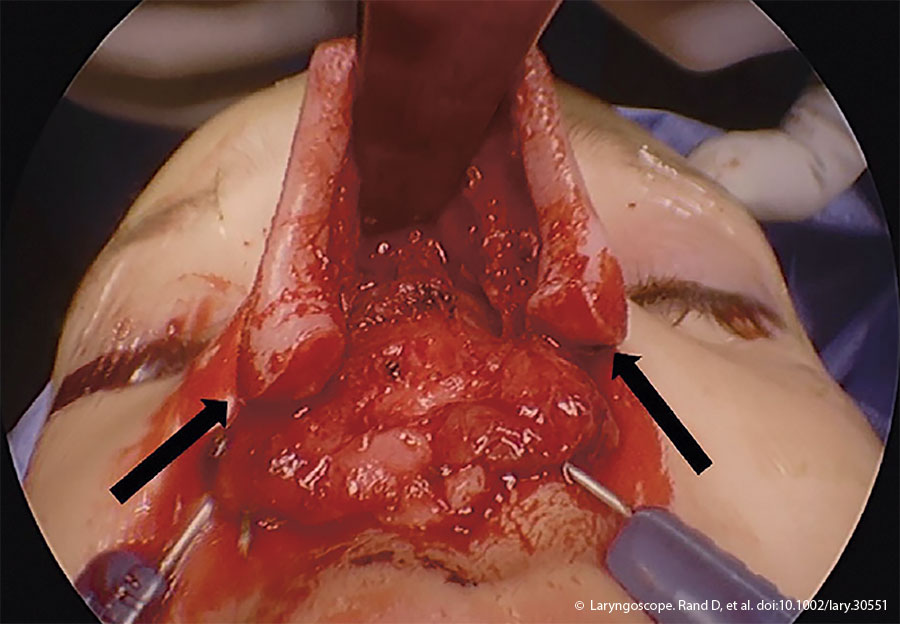
Extended external rhinoplasty with bilateral marginal and alar base incisions provides access to the nasal part of the dermoid and excellent visualization of the anterior skull base for complete excision of large intracranial cysts in a cosmetically favorable manner.
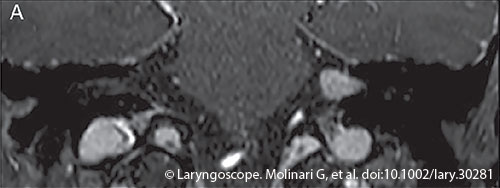
Despite the accumulating evidence of feasibility, safety, and positive functional outcomes of the Expanded Transcanal Transpromontorial Approach, its spread has been restricted to few centers across the world.
Due to its facial scar avoidance, better accuracy in locating the lacrimal sac, and decreased blood loss, endoscopic dacryocystorhinostomy (eDCR) has become much more popular than external approaches.

Leaders in otolaryngology are doubling down on diversity to achieve a level that accurately reflects the public it serves.

Physicians should advocate for laws where surgeons with high insurance approval rates or documented outcome improvement receive expedited approval.
Physician turnover can create care interruptions and result in lowered patient satisfaction, decreased quality of care, and worse outcomes.
A tracheocutaneous fistula (TCF) commonly persists after pediatric tracheostomy decannulation, potentially preventing tract closure and negatively impacting phonation, swallowing, and cough physiology.
Elective Neck Dissection does not improve survival rate but may be useful for staging and identifying candidates for treatment intensification, as well as for offering prognostic information to the patient.
This study provides additional evidence that we may be able to minimize narcotic pain medication use and reserve it for patients who are uncontrolled on NSAIDs alone.