Teachers favor fewer lectures, more learner-centered approach led by students

Teachers favor fewer lectures, more learner-centered approach led by students

Tips for medical residents transitioning from training to job market
Proper planning can ensure that your solo practice will be just as successful as the most popular group practices
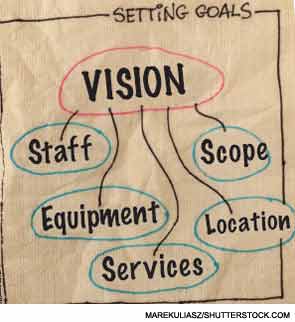
Steps to help physicians set personal and professional goals, define their scope of practice, determine which services to offer, and avoid common mistakes when launching a private practice

Graduate medical education is underfunded, and the implications of this will affect the future of the otolaryngology workforce

How to develop, write, and submit a clinical vignette for presentation at a scientific meeting

Physicians discuss ways to make care transitions smooth and smart as handoffs become more frequent

Standardized recommendation letters, a new residency program review process, and enhanced accreditation system seek to streamline admissions, uphold physician excellence
Jesus Medina, MD delivers his presidential address to the Triological Society Jan. 24 at the organization’s Combined Sections Meeting.
A new study suggests that serious participation in athletic activities is the best determiner of a good clinician