Parotid gland malignancies with clinically evident regional nodal metastasis should undergo a formal neck dissection, followed by appropriate adjuvant therapy.

Parotid gland malignancies with clinically evident regional nodal metastasis should undergo a formal neck dissection, followed by appropriate adjuvant therapy.
Based on studies of the previously available bivalent and quadrivalent HPV vaccines, the current HPV vaccine is safe and proves efficacious in both adult women and men aged over 26 years.
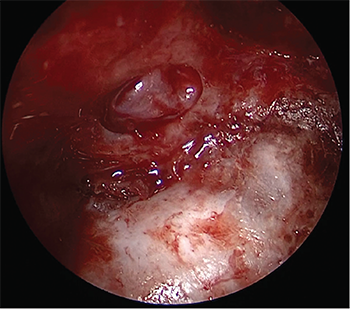
This “parachute” technique can be used with both autologous free grafts and synthetic materials.
Based on the current literature, there is evidence to suggest a beneficial role of endoscopic sinus surgery (ESS) post lung transplantation in cystic fibrosis (CF) patients with and without nasal polyposis.
Ultrasound is now the primary radiologic tool for evaluating thyroid nodules.
Patients with CPAP-intolerant refractory sleep apnea confirmed by polysomnography should be offered a drug-induced sleep endoscopy (DISE) with the potential for directed surgery.

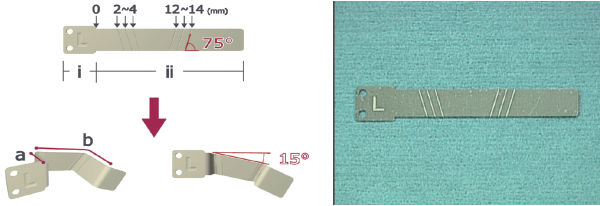
This study aims to present and discuss the results associated with a combined surgical approach of several methods to treat patients with severe breathy hoarseness.
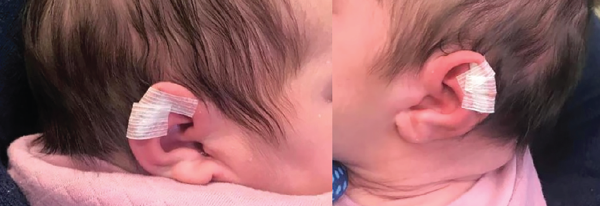
A spectrum of otoplasty techniques—including suturing, cartilage modifications, and cartilage grafting—can address congenital auricular anomalies with significant contour improvements.
Continued focus on pediatric otolaryngologic clinical trials enables improved representation of the specialty’s spectrum of disease and therapy, while increased results publication and federal funding may advance patient care.