A look at best practices, cytomegalovirus, genetics, and cochlear implants for single-sided deafness.
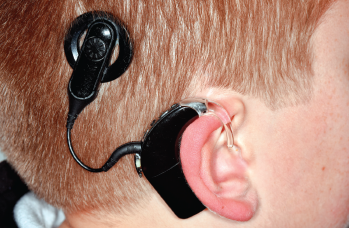
A look at best practices, cytomegalovirus, genetics, and cochlear implants for single-sided deafness.
The vocal training and regular examinations by otolaryngologists that children who sing in choirs receive may pay off beyond voice training to benefit their overall vocal health.

Multiple therapeutic options may be effective for treating mild pediatric OSA including observation, management with anti-inflammatory medications, and surgery.
The findings of this study support the feasibility of using the nasal methylome for future clinical applications, such as predicting the development of asthma among wheezing infants.

Multidisciplinary teams can dramatically improve time to diagnosis, cost reduction, and clinical outcomes.
Patients with EVA are commonly discouraged from playing contact sports due to concerns about a possible risk for sudden hearing drops or vestibular dysfunction following even minor head trauma.
Epistaxis may present early in HHT, but is typically mild in the pediatric period and is slightly worse in patients with HHT1.
Given the current evidence available, it is recommended that infants who fail their newborn hearing screening should undergo CMV testing.
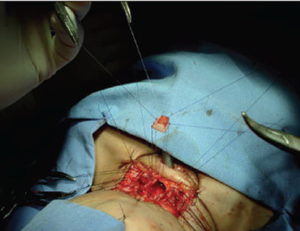
Resident Research Award winners cover topics ranging from new procedures to the state of otolaryngology research to attempts to perfect the use of gum in cancer prevention.
One in 20 children are prescribed codeine after undergoing tonsillectomy despite FDA black box warning regarding safety and efficacy issues associated with prescribing the opioid to children after these surgeries.