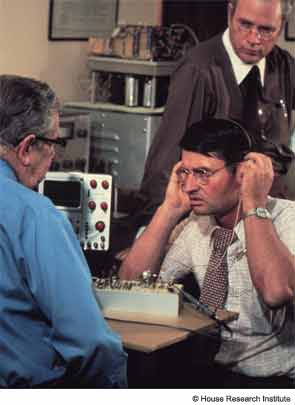
Atresiaplasty offers best opportunity for hearing improvement in patients with a Jahrsdoerfer score of grade 6 or higher
Atresiaplasty offers best opportunity for hearing improvement in patients with a Jahrsdoerfer score of grade 6 or higher
Evidence and policy statements favor using a myringotomy tube in acute otitis-prone children undergoing cochlear implant
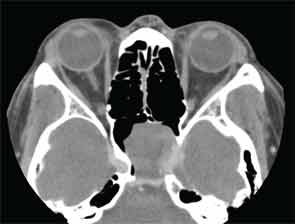
A 53-year-old man with a one-month history of bilateral tinnitus. An MRI detected a sphenoid tumor incidentally, and a contrast-enhanced computed tomography scan revealed a partially enhanced tumor in the left sphenoidal sinus that destroyed part of the skull base.
Reserve follow-up monitoring by imaging for patients whose cholesteatoma has likely been completely eradicated
Mastoidectomy may not improve otologic outcomes following perforation repair
Otolaryngologists to involve epidemiologists, mental health professionals, and others in patient education, follow-up care, and use of adjunctive hearing-assistance devices
Computed tomography (CT) may be a better initial choice, but a dual approach is useful for a patient who may be a candidate for cochlear implant