There is no uniformity or consensus on the effective management of the N zero nodal basin in cSCC.

There is no uniformity or consensus on the effective management of the N zero nodal basin in cSCC.
Defining significant asymmetric sensorineural hearing loss (ASNHL) is important to determine if a patient requires further evaluation for retrocochlear pathology.
the findings are consistent with lower hearing loss prevalence in African-Americans compared to the non-African-American populations
Safety-net hospital treatment, socioeconomic status, Hispanic ethnicity, and non-Hispanic black race were associated with decreased
follow-up service utilization for cancer patients.
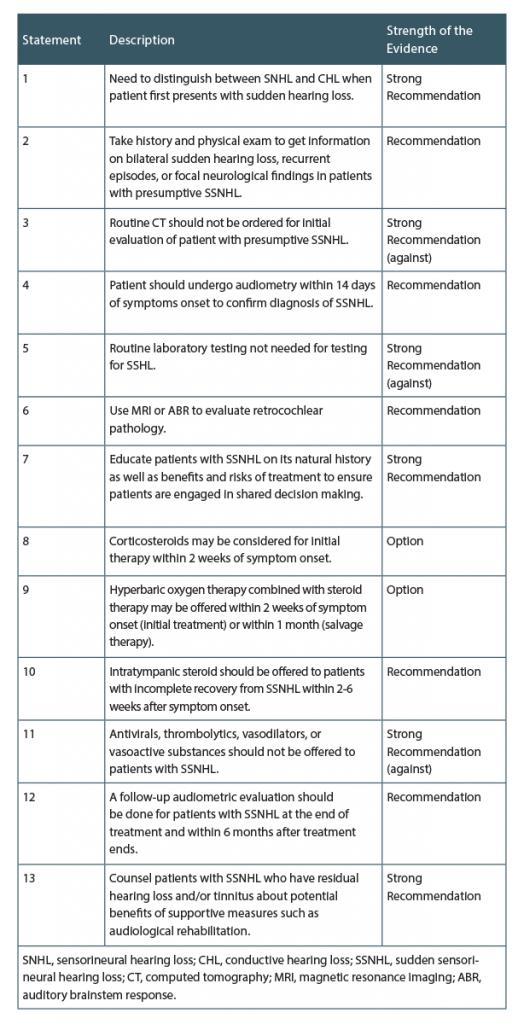
The updated clinical guidelines provide 13 action statements to help clinicians accurately diagnose sudden hearing loss to ensure appropriate management.
A look at the major advantages and disadvantages of these electrodes to help guide surgeons considering electrode type.

Reducing opioid prescribing to children after tonsillectomy may be possible without increasing risk of complications, according to a new study.
Septoplasty should be performed in patients with functional problems related to congenital anomalies or trauma.
Otolaryngologists are now considered the go-to specialists for performing these challenging surgeries
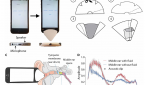
Investigators show the feasibility of using smartphones to detect middle ear fluid in children with suspected acute otitis media and acute otitis media with effusion.