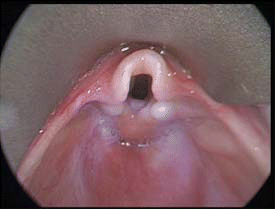
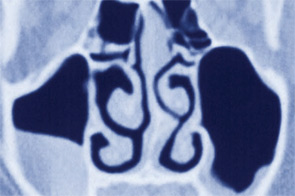
The title of this session at the Triological Society’s Combined Sections Meeting held here Feb. 4-7 asked a tough question: Why are otolaryngologists still talking about pediatric tonsillitis, otitis and sinusitis?

The title of this session at the Triological Society’s Combined Sections Meeting held here Feb. 4-7 asked a tough question: Why are otolaryngologists still talking about pediatric tonsillitis, otitis and sinusitis?

Prior to the introduction of MP3 players, hearing loss among children was estimated at around 12.5 percent. More recent studies, however, estimate that 16 percent of teenagers, or approximately 6 million children, suffer from permanent noise-induced hearing loss (NIHL).
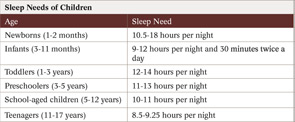
In a modern society that is constantly “on,” with 24-hour news channels, Internet connection, cell phones, video games, and a rapid pace of life unequaled in previous generations, sleep deprivation and sleep disorders are not only a risk—they are a given.


Physicians have suggested that the likelihood of failure of surgery to correct subglottic stenosis appears to be related to the age of the child at the time of treatment and whether the child is being treated at a tertiary care facility.

Even though tonsillectomies are a commonly performed procedure, research continues to find out more about how to best do the surgery, as well as other values of the procedure.